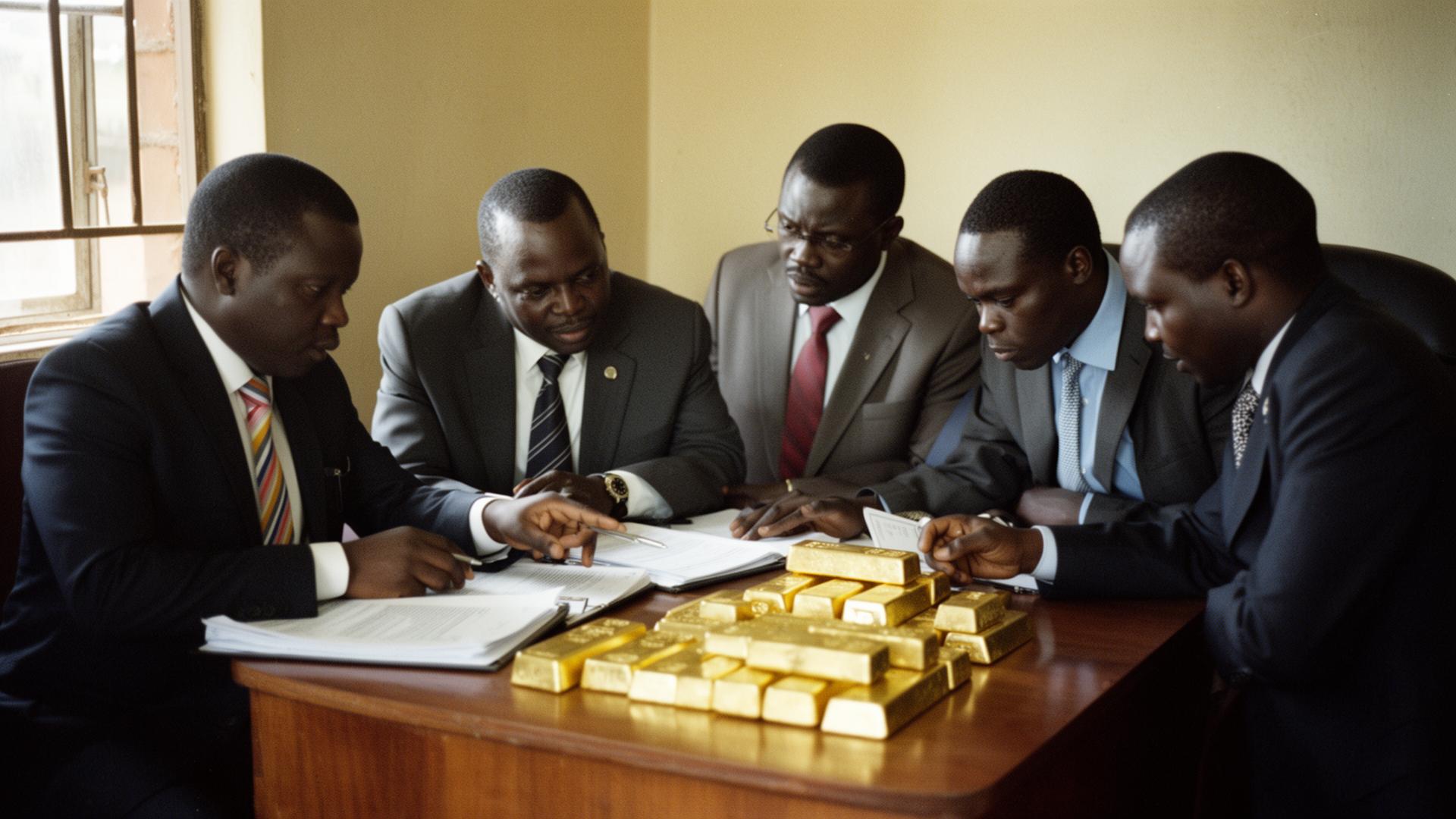
KAMPALA — Refined gold accounted for 38 per cent of Uganda’s merchandise exports in the first quarter of 2026, according to balance-of-payments data released by the Bank of Uganda this week, cementing the metal’s position as the country’s single largest export earner for the seventh consecutive quarter.
Total gold exports were valued at 842 million US dollars between January and March, a rise of 11 per cent on the same period in 2025 and roughly double the value of coffee, the country’s long-standing second pillar. The bulk of the volume continues to flow to refiners in the United Arab Emirates, with smaller but growing shipments to India and Switzerland.
Officials at the central bank attributed the jump in value to a firmer global gold price, which averaged above 2,300 US dollars an ounce over the quarter, rather than to a meaningful increase in declared production. Volume growth was a more modest 3 per cent year-on-year.
The figures will once again sharpen a long-running debate. Independent analysts and several donor agencies have argued for years that Uganda’s gold export numbers exceed plausible domestic production, implying that significant volumes are entering the country from neighbouring states and being re-exported as Ugandan-origin metal. The government has consistently rejected that characterisation.
“What we are seeing is a market that has matured,” said a senior official at the Ministry of Energy and Mineral Development, who asked not to be named because he was not authorised to brief the press. “Refining capacity in Kampala has expanded. Artisanal production is being formalised. The numbers reflect that.”
Either way, the macroeconomic effect is real. Foreign reserves climbed to 4.1 months of import cover at the end of March, and the shilling has held within a narrow band against the dollar for most of the year. Whether that stability rests on a durable foundation is, for the moment, a question the data does not answer.