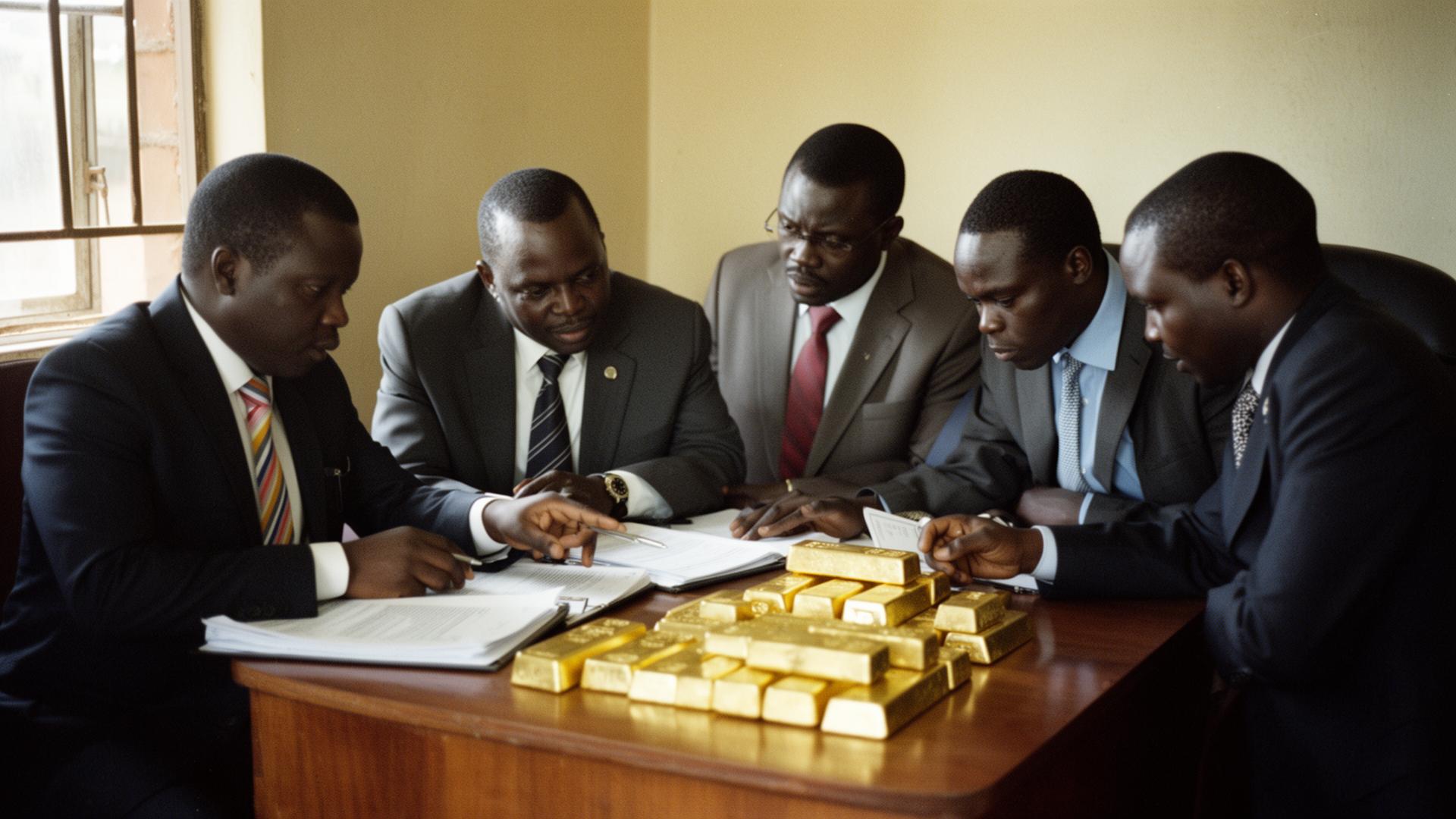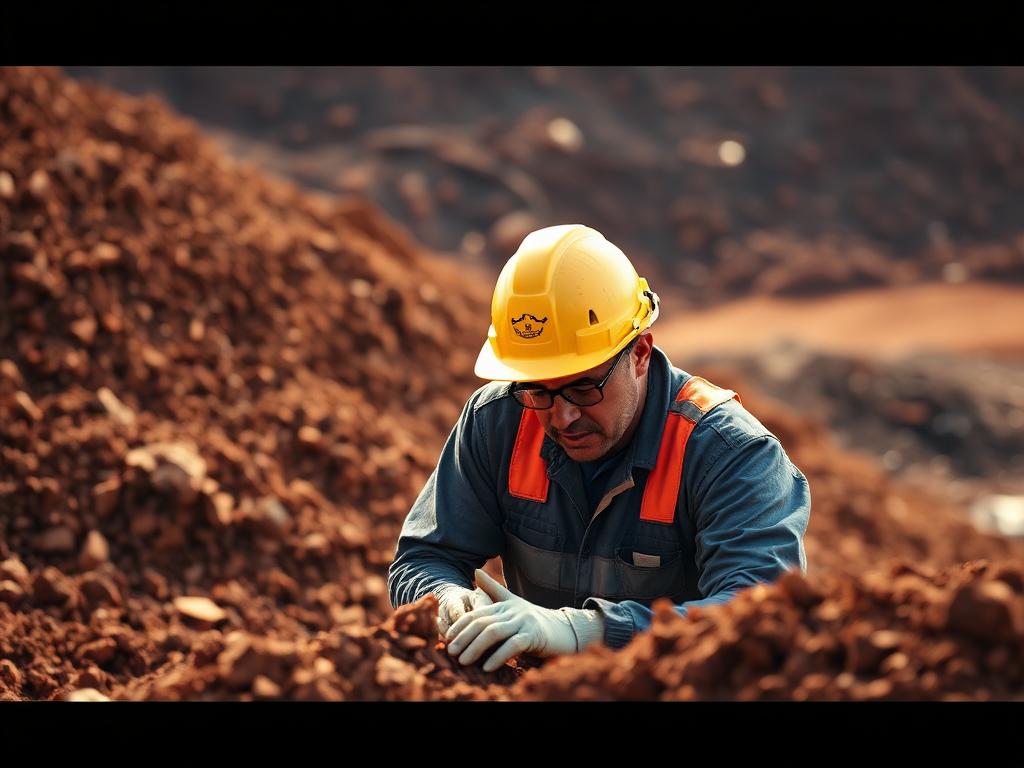
KASESE — Cabinet has approved the terms of a new concession agreement to restart copper and cobalt production at the Kilembe Mines, ending more than three years of negotiation and clearing the largest remaining obstacle to a project that has been promised, and postponed, since the original mine closed in 1982.
Under the terms confirmed by the Ministry of Energy and Mineral Development on Monday, a consortium led by a Chinese state-owned enterprise and a Ugandan investment vehicle will take a twenty-five-year licence over the mine, with an option to extend for a further fifteen years. The consortium has committed to a 320 million US dollar capital programme over the first four years, including rehabilitation of the underground workings, a new processing plant at Mubuku, and the refurbishment of the long-dormant hydropower stations that historically supplied the operation.
Government will retain a 15 per cent free-carry equity stake, with an option to acquire a further 10 per cent at market terms once the mine reaches commercial production. Royalties will be levied at 5 per cent of gross value for copper and 7 per cent for cobalt, in line with the schedule introduced under the 2022 Mining and Minerals Act.
“This is not a memorandum of understanding. This is a binding agreement,” the Minister, Ruth Nankabirwa, told reporters at a briefing in Kampala. “The next milestone the public should watch for is first ore on surface, which the operator has committed to within thirty months.”
Local reaction in Kasese has been cautious. The mine, at its peak in the late 1960s, employed more than six thousand people and supported a town that has never fully recovered from its closure. Successive restart proposals — in 2013, 2017 and 2020 — each collapsed before significant capital was deployed, leaving a deep well of scepticism in the surrounding villages.
“We have heard the speeches before,” said Florence Biira, who runs a small hardware shop within sight of the old mine offices. “What we want to see is the road being graded, the school being painted, the people being hired. Then we will believe it.”
The consortium says recruitment for the first phase — primarily geological, engineering and environmental roles — will begin in July, with a stated commitment that at least 70 per cent of the workforce over the life of the mine will be Ugandan nationals, and that priority within that quota will be given to residents of Kasese district.
An updated environmental and social impact assessment is expected to be lodged with the National Environment Management Authority before the end of the second quarter. Public hearings, the Ministry confirmed, will be held in Kasese town and at three sub-county centres along the river system that drains the mine.