In the hills outside Migori town, three cooperative processing sites have spent the past two months running small batches of ore through shaking tables and sluices rather than mercury amalgamation. The trials, supported by a county-level programme and two NGOs, are among the first structured attempts in western Kenya to measure what mercury-free processing costs miners in practice.
Early results are uneven. Cooperative leaders reported recovery rates close to amalgamation on coarse, free-milling ore, but noticeably lower on finer material. Several miners said the extra time spent on gravity concentration was the main deterrent, not the equipment itself.
Kenya’s national action plan under the Minamata Convention commits to reducing mercury use in artisanal gold mining, but enforcement has so far relied on awareness campaigns rather than penalties. Buyers in Migori and Kakamega still routinely purchase amalgam-derived sponge gold.
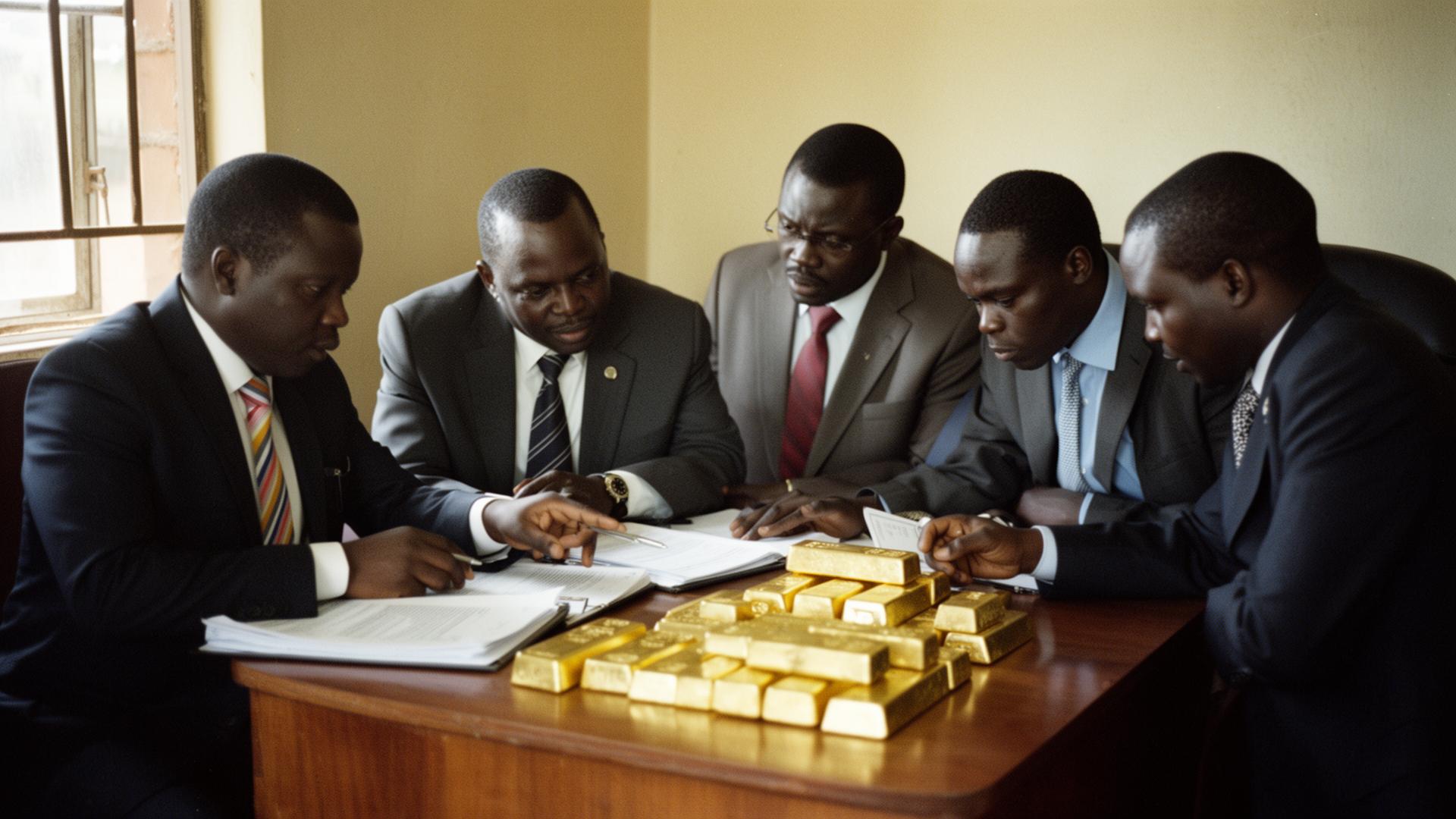
Those running the trials argue that the decisive lever is price: if licensed buyers paid a premium for documented mercury-free gold, uptake would follow. At least one Nairobi refiner has said it is ‘open to discussion’ on such an arrangement, without committing to a figure.
The cooperatives plan to publish a fuller dataset at the end of the year. Until then, mercury remains cheap, available and familiar — the three qualities any replacement will have to match.