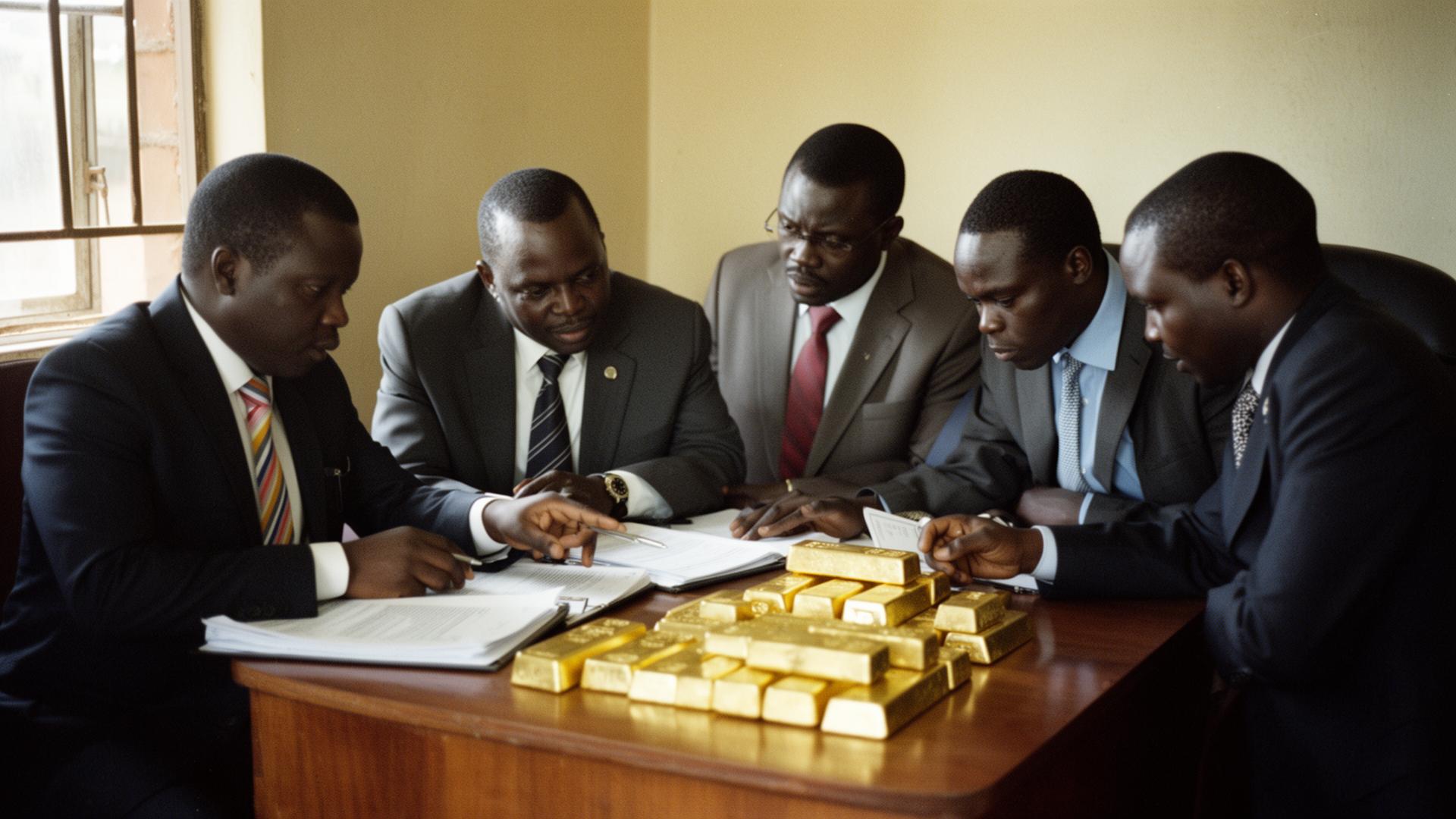
KIGALI — The European Union’s Battery Regulation, whose due-diligence provisions take full effect on 18 August, will require importers of tantalum, cobalt, lithium and natural graphite to present a verifiable digital record tracing each shipment back to the mine of origin. For Rwanda, the world’s largest single-country exporter of coltan by declared volume, the deadline is more than administrative.
Roughly forty per cent of Rwanda’s tantalum concentrate is destined, directly or via third-country refiners, for the European market. Losing that access — even temporarily — would ripple through an artisanal mining workforce estimated by the Rwanda Mines, Petroleum and Gas Board (RMB) at more than sixty thousand people, most of them concentrated in the western districts of Rutsiro, Ngororero and Nyabihu.
Rwanda’s response has been to lean hard on the traceability infrastructure it began building nearly a decade ago. Every bag of concentrate leaving a registered site is now tagged, weighed and logged into the iTSCi system operated by the ITA / TIC industry association, and the RMB has integrated its own licensing database with the tags to provide a second, government-held layer of verification.
“On paper we are among the best-prepared jurisdictions in the world,” said Yves Kayigi, a compliance director at one of the country’s three licensed exporters. “The question is whether ‘on paper’ will satisfy an auditor sent by a German battery manufacturer.”
The weak point is upstream. A significant — and disputed — share of the material tagged in Rwanda originates on the other side of the border, in the North and South Kivu provinces of the Democratic Republic of Congo, where the security situation has deteriorated sharply over the past eighteen months and where independent site audits have become, in some areas, effectively impossible.
The International Tin Association, which oversees iTSCi, suspended tagging operations at several Congolese sites earlier this year. Industry participants privately concede that some volume from those sites has continued to move informally across the border and re-enter the tagged supply chain on the Rwandan side — a practice the RMB says it is actively working to interdict.
For European buyers, the calculation is uncomfortable. A blanket rejection of Great Lakes tantalum would push demand toward a handful of alternative suppliers — principally Brazil and, increasingly, a new Australian project — at a price premium that battery makers are reluctant to absorb. A permissive stance risks regulatory penalty at home.
The likely outcome, industry observers suggest, is a period of case-by-case negotiation in which Rwandan exporters with the deepest documentation and the cleanest audit trails command a growing share of the European trade, while smaller and less compliant operators are pushed toward Asian buyers with lower disclosure thresholds. The regulation, in other words, will not shrink the market. It will simply reallocate it.