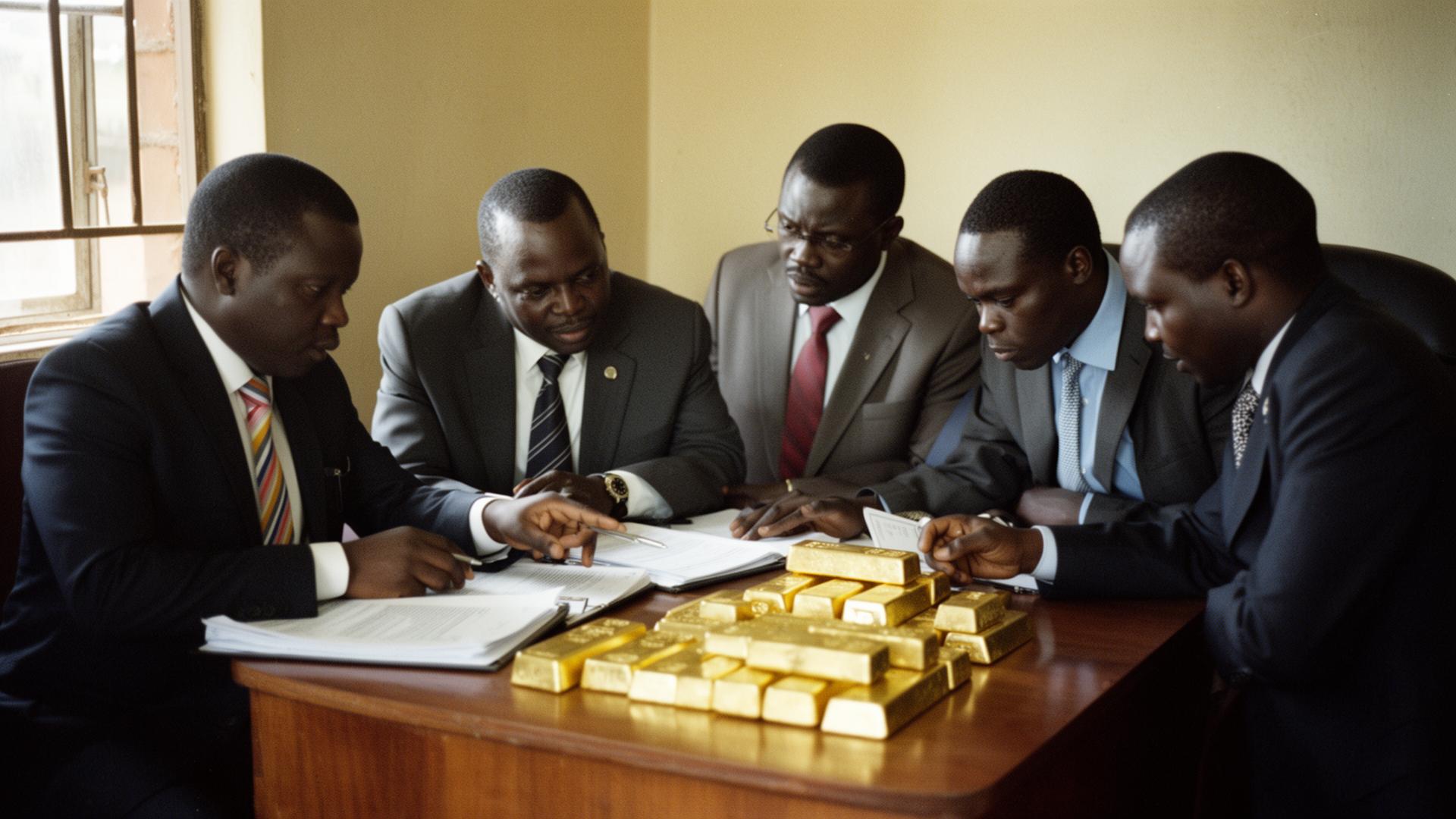
DAR ES SALAAM — The Kabanga nickel project in north-western Tanzania has secured binding offtake agreements covering the majority of its planned first-phase output, unlocking the debt package that its operator has spent the past two years assembling and clearing the way for a construction decision before the end of the year.
Kabanga is one of the largest undeveloped nickel sulphide deposits in the world, with a resource containing significant cobalt and copper credits alongside the primary metal. Sulphide ore matters commercially: it can be processed into battery-grade material at a fraction of the energy intensity and carbon footprint of the laterite ore that dominates Indonesian supply, and buyers subject to European and North American emissions accounting have shown willingness to pay for the difference.
Under the terms disclosed to the Dar es Salaam Stock Exchange, the offtake counterparties — understood to include a European automotive group and a Japanese trading house — have committed to fixed-volume purchases indexed to the LME nickel price with a floor mechanism, structured to support project-finance debt at a materially lower cost than the operator could otherwise have achieved.
The Tanzanian state retains a 16 per cent free-carried interest through a joint venture vehicle established under the country’s 2017 mining legislation, alongside royalty and inspection-fee entitlements. The government has also secured a commitment that refining to a battery-precursor specification will take place in Tanzania rather than offshore — a condition it has held to consistently since the project’s licences were reinstated.
That commitment carries its own dependencies. A refinery of the scale contemplated requires firm power at a price and reliability that the national grid does not currently supply in Kagera region. Project documents reference a dedicated transmission spur and an interim hybrid generation package; the transmission component depends on TANESCO capital works whose timeline is not within the operator’s control.
Local expectations are high and, in places, already strained. Resettlement of households within the project footprint began in 2024 and has drawn complaints over valuation of perennial crops and delays in title issuance at replacement sites. The operator says outstanding cases are being processed and that a grievance mechanism agreed with district authorities remains open.
If the construction decision holds to schedule, first concentrate is targeted for 2029. Tanzania would become the first East African producer of battery-grade nickel — and, on the strength of the deposit’s grade, one of the lowest-cost sulphide sources outside Russia and Canada.