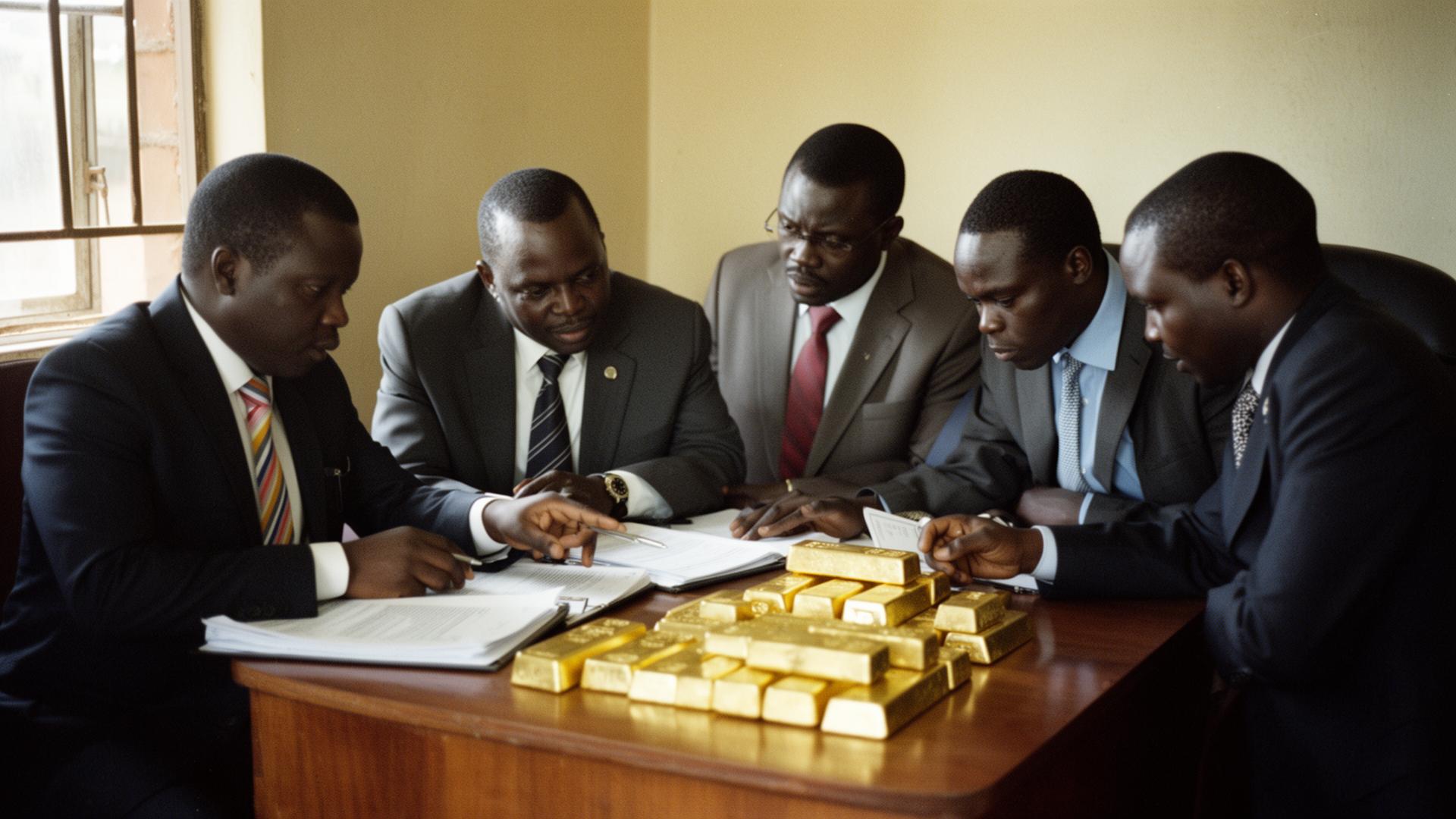
MUBENDE, Uganda — When the Directorate of Geological Survey and Mines set out in mid-2025 to bring Uganda’s artisanal and small-scale mining workforce inside the formal licensing system, it put a number on the ambition: 200,000 miners registered into associations and cooperatives within two years. Twelve months on, officials confirm that fewer than 48,000 have completed the process.
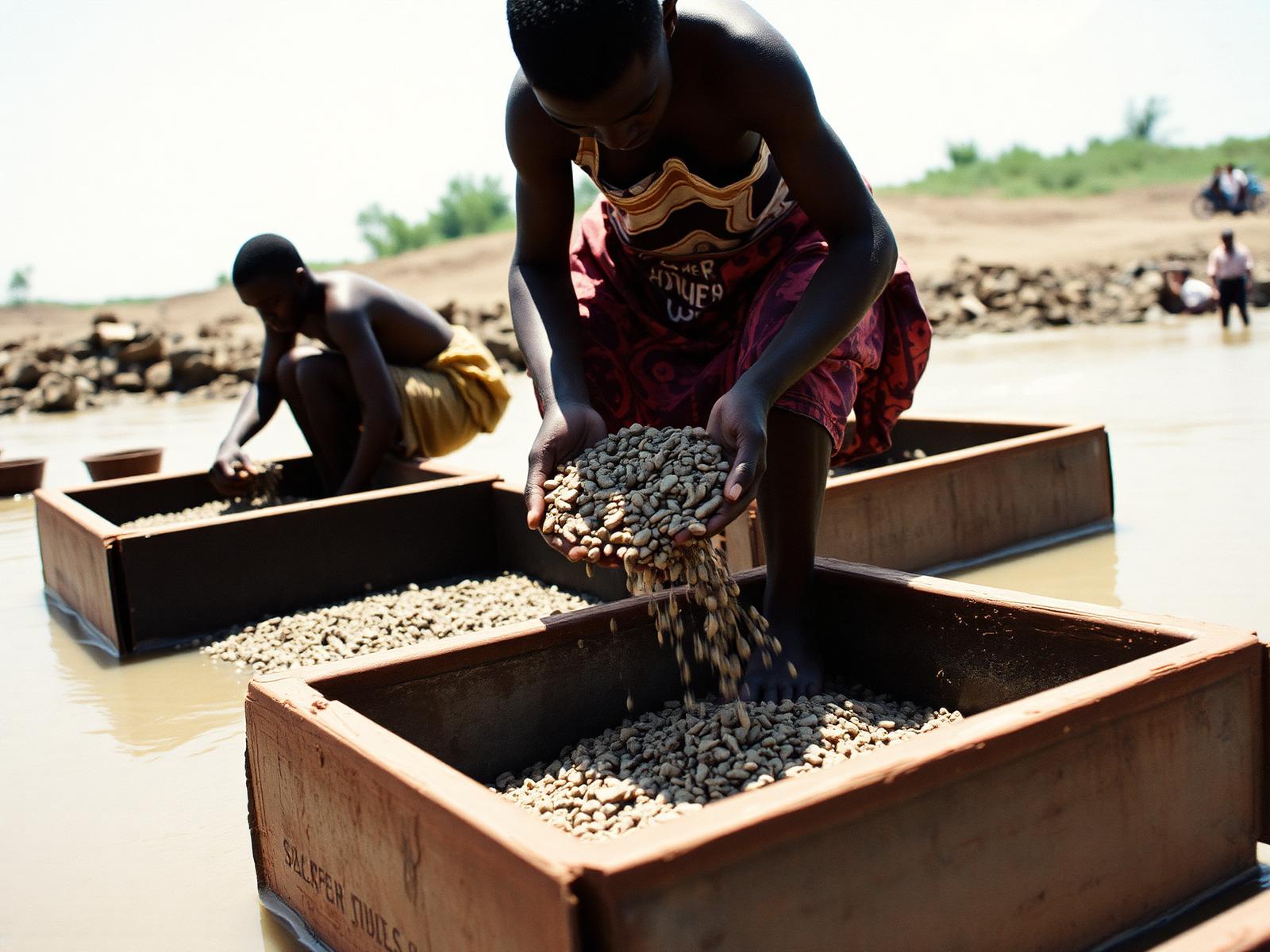
The gap is not primarily one of willingness. In Mubende and Kassanda, where alluvial and hard-rock gold workings employ tens of thousands, association leaders describe a queue of applicants held up by requirements that sit awkwardly with how the sector actually works: proof of a surveyed site boundary, a written landowner consent, a tax identification number, and an environmental screening report.
“A pit crew of nine men cannot produce a surveyed boundary,” said Grace Nabbosa, who chairs a 340-member women’s association in Kassanda. “The land belongs to someone else. The licence belongs to someone else again. We are told to formalise a position we do not legally hold.”
The overlap between artisanal workings and exploration or mining leases held by larger companies remains the sharpest friction point. Directorate data reviewed by the Bulletin indicates that a substantial majority of active artisanal sites in the central gold belt fall wholly or partly within areas already covered by a location licence, exploration licence or retention lease. Where the licence-holder is uninterested in a tributing arrangement, formalisation has no legal route to offer.
The Ministry of Energy and Mineral Development points to progress elsewhere. Under the Mining and Minerals Act 2022 and its 2023 regulations, artisanal mining licences are reserved for Ugandan citizens organised into associations, and 43 mineral buying centres have been designated to channel production into declared, levy-paying channels. Officials say the buying centres are the mechanism through which registration will eventually pay for itself, by giving licensed miners a price advantage over informal sales.
That advantage has not yet materialised at scale. Miners interviewed in three districts said local buyers continue to pay marginally more than the designated centres, in cash, without documentation, and without the deductions that follow from a declared sale. Until the differential reverses, the incentive to register rests on enforcement rather than economics — and enforcement capacity in the field is thin.
There are cases that point the other way. A registered cooperative in Busia has used its licence to access a mercury-free processing unit financed under a donor programme, cutting both health exposure and gold losses in the tailings. Its members report recoveries roughly a fifth higher than the amalgamation method it replaced. Officials cite the site frequently; it remains, however, one site.
Analysts who follow the sector argue that the registration target was always the wrong measure. “Counting licences tells you how many forms were filled,” said one Kampala-based mining economist. “The question that matters is whether a licensed miner sells at a better price, borrows at a lower rate, and works at less risk than an unlicensed one. On present evidence, not yet.”
The Directorate says a review of the licensing requirements, including a simplified pathway for associations operating within third-party licence areas, is under preparation and expected before the end of the financial year.