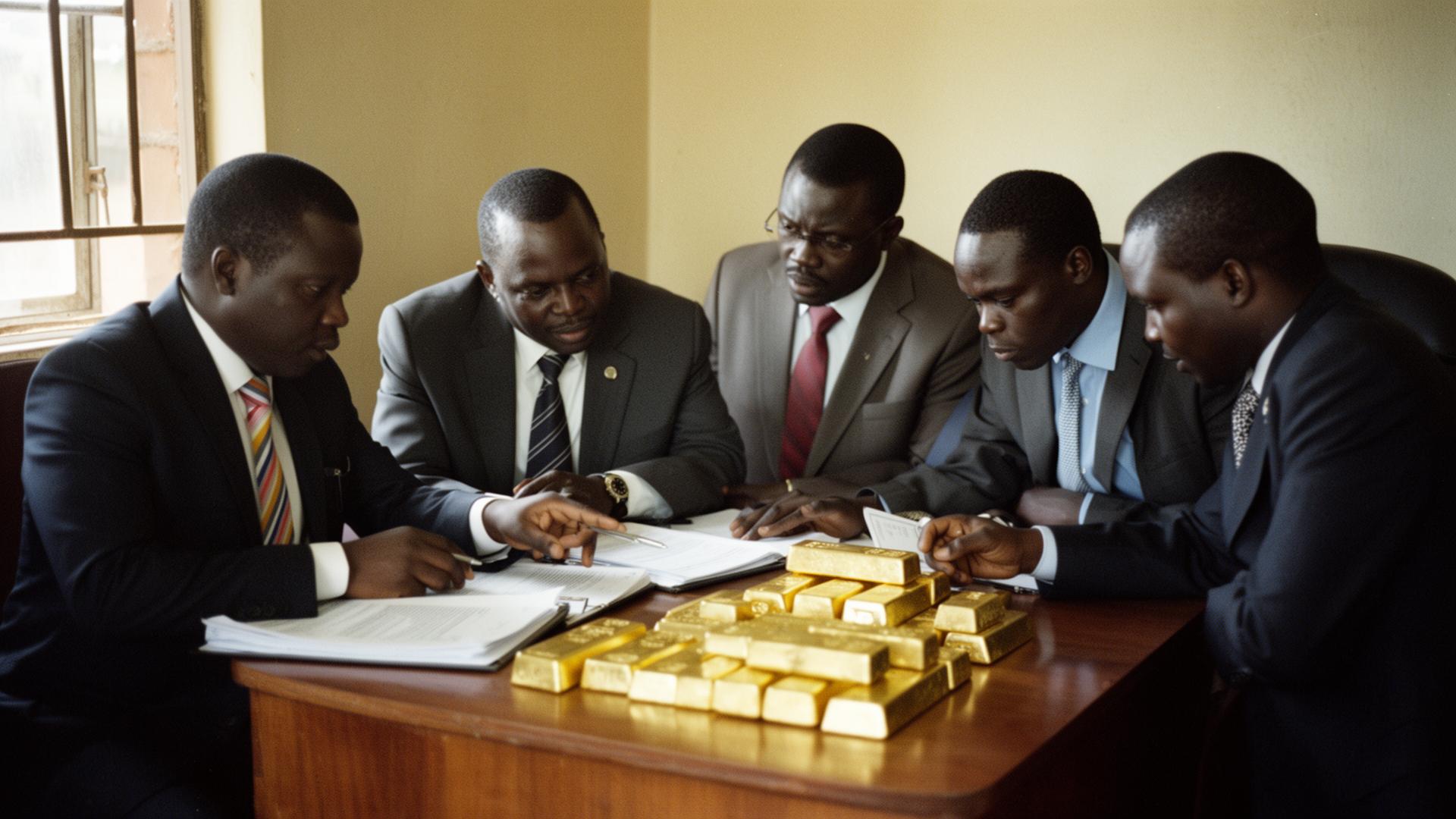
Uganda’s gold exports for the April–June quarter held close to the record levels of the past two years, according to provisional figures published by the Bank of Uganda. But the composition of those exports continues to move in one direction: an ever-larger share is refined from doré and scrap imported from neighbouring states, rather than from ore mined inside Uganda.
Officials at the Directorate of Geological Survey and Mines describe the trend as expected for a country positioning itself as a regional refining hub. Critics, including two members of the parliamentary committee on natural resources, argue that without reliable origin data the headline figures say little about either domestic mining or the integrity of the supply chain.
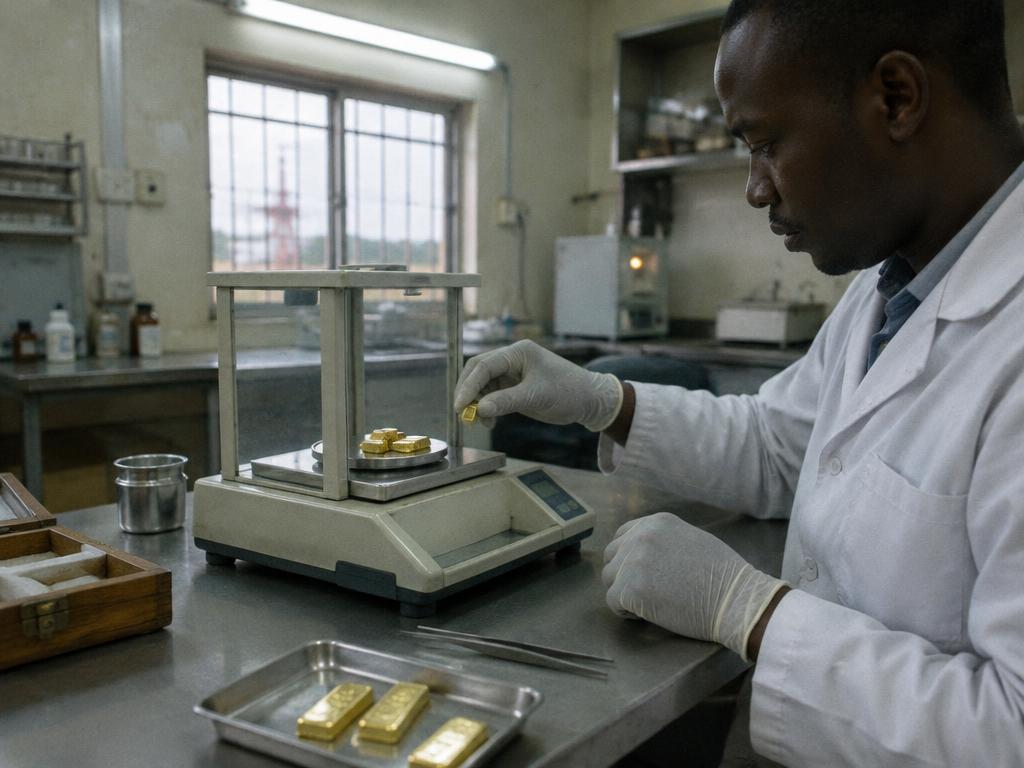
Industry estimates of domestic large- and small-scale gold output remain a small fraction of exported volumes. Refiners interviewed by the Bulletin said they verify import declarations and supplier documentation, but conceded that verification ends largely at the border of the exporting country.
The figures arrive as the government finalises guidance under the amended mining framework that would require refiners to file monthly origin reconciliations. Whether that guidance is published before the end of the year is now one of the more closely watched questions in the sector.
For investors, the near-term story is resilience: high gold prices have kept refining margins healthy. For regulators, the question is whether that resilience is being built on documentation strong enough to withstand international scrutiny.